Federalist 2: Winning Independence Was Only the Beginning
In Federalist 2, John Jay argued that Americans needed an effective Union to preserve the independence they had won. He grounded that case in their connected territory and common wartime sacrifice, then urged readers to give the proposed Constitution serious consideration. Dividing into rival confederacies, he warned, could leave Americans less able to defend their freedom and unable to recover the country they had divided.
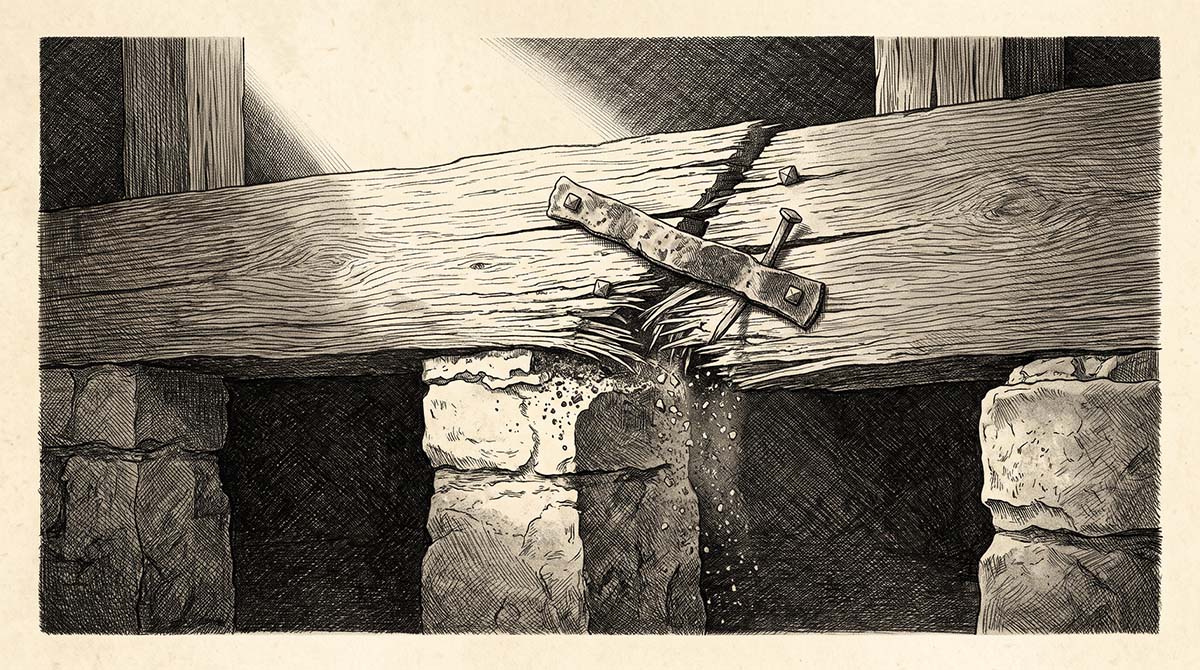
Americans considering the proposed Constitution faced a problem independence alone couldn’t solve: how to build a government that would hold together after its builders were gone. The men drawing it up were flawed and mortal. Their decisions would govern people who had never entered the convention room.
Winning freedom had left Americans responsible for their own survival. A country could defeat a king and still prove incapable of governing itself. No defeated king was required to finish the job. The proposed Constitution therefore demanded more than a judgment on the next round of government business. Americans were deciding how they and their descendants would live together, and whether they would continue to belong to one political community.
The compromises reached in the convention would outlast the immediate quarrels of their authors. Those men would eventually leave office or die. Others would inherit the arrangements they established, with all the consequences that followed. A decision made by one generation would become the conditions under which another had to live.
Beneath the grand proclamations sat a hard practical question: could the country preserve its independence long enough to make good on its promises? Liberty needed a government capable of defending it. Prosperity required confidence that the country would hold together. For advocates of Union, national survival made those ambitions possible. A declaration of rights offered little protection if the government charged with securing them couldn’t function.
John Jay approached the constitutional debate from that problem. Americans had won the right to govern themselves. They still had to decide whether they could sustain a government equal to the task.
One Republic or Rival Confederacies

Jay presented Americans with a stark choice: strengthen a single federal republic or divide into smaller confederacies, each guarding its sovereignty and pursuing its own interests. Separation had an understandable appeal. Power closer to home could seem safer, easier to watch, and easier to manage. His concern was what would happen between those separate powers once their common authority disappeared and their interests began to collide.
Government already required a bargain. People surrendered some freedom of action so that a common authority could preserve order and provide security. Calling that authority their own didn’t make the surrender disappear. Jay began from the premise that some sacrifice was unavoidable. Americans had to judge whether one general government could protect their freedom more effectively than several separate ones, and whether that protection justified the power entrusted to it.
For years, Union had seemed the natural course of American political life. The states had acted together; their common future appeared to follow from their common struggle. Now influential voices suggested they might be safer and happier apart. Advocates of Union suddenly had to defend an assumption they had expected their opponents to share. Familiarity had spared them the trouble of explaining it. Separation ended that convenience.
Jay regarded disunion as a departure from the purpose Americans had pursued together. The Revolution had required common effort, and he believed its achievements would be endangered if the states broke into competing political bodies.
That claim still required an argument. The sacrifices of the war were beyond dispute; the political obligation they imposed remained open to debate. Jay wanted readers to understand continued Union as part of what their struggle had secured. Americans had fought together to gain independence. He asked whether dividing afterward would put that achievement at risk.
The Country and the People Jay Described

Jay began his case for continued Union with the ground beneath Americans’ feet. He described a connected and fertile territory whose physical character favored a common national life. The map gave him a concrete way to question the wisdom of division. Politicians could draw boundaries across the country, but those lines wouldn’t remove the practical connections between people on either side. Separate governments would still have to live with the same geography.
The rivers made that connection visible. They carried goods and people between places that might otherwise have remained distant from one another. Jay treated those routes as reasons to preserve Union. Commerce already gave Americans an interest in one another’s affairs. Dividing political authority would introduce separate jurisdictions into that shared life, while the waterways continued carrying trade across whatever boundaries politicians established.
From the country, Jay turned to its inhabitants. He presented Americans as a people with a shared language and broadly similar religious traditions, alongside related ideas about government. This was his portrait of national unity. He wanted readers to recognize a community that already existed and deserved a government capable of serving it.
The war gave that appeal its emotional force. Americans had endured a long struggle together. Valley Forge belonged to living memory, and the dead had families and neighbors who remained. Jay described Union as an inheritance purchased through that suffering. Dividing it risked throwing away something difficult to obtain and perhaps impossible to recover.
His argument reached beyond the design of government to the obligations survivors might feel toward their common work. Geography connected Americans in daily life. The struggle for independence gave them a shared achievement to preserve. Together, those claims helped explain why Jay thought division would cost more than its advocates admitted.
Why the Wartime Government Needed Replacing
A connected territory and a history of sacrifice couldn’t make the existing government function. Beneath Jay’s confidence in American unity lay an immediate difficulty: the arrangements meant to sustain the country were failing. Poetry is lovely, but it does not run a country. Affection for the Union needed to take practical form in institutions capable of preserving it.
The Articles of Confederation had been formed under the pressure of war. Their authors worked amid danger, with immediate survival competing against the demands of lasting government. Jay asked readers to judge that work in its circumstances. Men struggling to secure independence had little opportunity for calm, sustained deliberation. Their achievement deserved respect. Gratitude didn’t require Americans to pretend that the government they produced was adequate for the peace.
Its defects threatened more than convenient administration. In Jay’s argument, a weak Union endangered the freedom won through war. Americans might endure years of suffering to escape British rule, then discover that they couldn’t maintain an effective government of their own. Victory had transferred responsibility to them. Their future now depended on decisions made in meeting rooms by people who could no longer blame a king for the result.
The proposed Constitution grew from the judgment that another round of adjustments wouldn’t answer the problem. Admitting that the first attempt had fallen short took some courage. Americans had invested hope in that government. They now had to examine its results honestly enough to distinguish loyalty to independence from loyalty to every decision made while securing it.
The Philadelphia convention gave that judgment practical form. Recognizing failure led to an effort to devise a government better able to preserve the Union. Complaints about weakness were plentiful. Producing an alternative required the delegates to decide what authority Americans should grant and how their government should exercise it.
Why Jay Asked Readers to Trust the Convention

Jay placed considerable trust in the experience of the men assembled in Philadelphia. They had lived through the country’s struggle and gained practical knowledge of its political difficulties. They also worked under more favorable conditions than those who had framed the earlier arrangements during war. Peacetime gave them time to consider proposals and argue over their consequences. They could think beyond the next emergency.
Publication of their proposal brought criticism. Jay asked readers to weigh those attacks against their own political experience. In Federalist 2, he pointed back to 1774, when the Continental Congress had offered advice during another period of uncertainty. Americans had already faced the question of whether to trust men acting on their behalf while opponents warned against following them.
Jay recalled attacks on that Congress’s recommendations in pamphlets and newspapers, with government officials joining the opposition. In his account, the public considered both the advice and the character of those offering it, then chose to support them despite the denunciations. He treated the outcome as a vindication of that judgment. Alarming criticism hadn’t made sound advice any less sound.
The comparison supported his appeal for confidence in the convention. Some of those involved had already earned public trust. The intervening years had given them further experience of American government, including its difficulties. Jay wanted readers to give that experience weight when considering what they now recommended.
Experience couldn’t make the Constitution infallible. It could give the proposal a claim to serious consideration. A public that had once trusted these men in greater uncertainty should at least examine their work rather than let denunciation settle the matter. Jay’s appeal asked Americans to remember how they had judged advice before, then bring the same care to the decision in front of them.
What Americans Might Lose by Dividing
Jay wanted a country capable of defending its independence and acting with consequence in the world. Behind the dispute over the Constitution stood a question about the scale of America’s future. Would Americans remain able to act together, or would smaller powers become absorbed by rivalries among themselves?
Division could give each confederacy greater freedom to make its own decisions while leaving it less able to determine the conditions under which those decisions were made. Jay joined national ambition to practical security. A country that held together would have more power to protect what its people had won.
That argument placed a heavy burden on rejecting the Constitution. If the existing government was inadequate and continued Union essential, opponents had to reckon with what refusal might produce. Jay’s warning depended on readers accepting that connection. For those who shared his view, rejection endangered the common political home Americans had struggled to establish. They had to weigh the consequences of refusal alongside their objections to the proposal’s provisions.
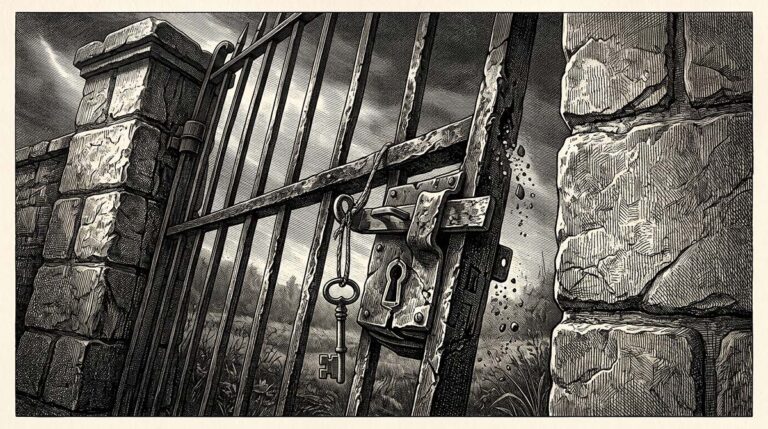
His final warning concerned the permanence of the loss. Americans who divided their Union couldn’t assume they could assemble it again once the disadvantages became plain. Separation might prove much easier to accomplish than to reverse. The country they already shared could become something they regretted losing without having the means to recover.
Jay’s confidence in the proposed Constitution rested partly on his fear of that alternative. Americans already possessed a common country, though its government was failing them. Before allowing it to break apart, he wanted them to consider how much of their independence depended on their ability to act together. The men who had won the war would pass away; the country they left behind would have to live with the choice.
Frequently Asked Questions
What Is John Jay’s Main Argument in Federalist 2?
John Jay argues in Federalist 2 that Americans need an effective Union to preserve their independence. He presents their connected territory and common struggle as reasons to remain together. He also urges readers to consider the proposed Constitution seriously because the existing government is failing to sustain the country it serves.
Why Did John Jay Oppose Dividing America Into Confederacies?
John Jay feared that separate American confederacies would pursue competing interests and become absorbed by their own rivalries. Each might gain freedom to make its own decisions while losing power to protect its independence. He also warned that Americans couldn’t assume they would be able to rebuild the Union after dividing it.
How Did Geography Support Jay’s Argument in Federalist 2?
Geography supported Jay’s argument in Federalist 2 because he described America as a connected, fertile territory suited to a common national life. Rivers carried goods and people between communities, creating practical ties. Separate governments would introduce boundaries into those connections while remaining dependent on the same geography and waterways.
Why Did Federalist 2 Discuss the Articles of Confederation?
Federalist 2 discussed the Articles of Confederation to explain why the existing government deserved respect but still needed replacing. Jay emphasized that its authors had worked under wartime pressure, when immediate survival competed with lasting government. Americans could honor that achievement while acknowledging that its arrangements were inadequate for peace.
Why Did Jay Mention the Continental Congress of 1774?
Jay mentioned the Continental Congress of 1774 to remind readers of an earlier test of public judgment. Its recommendations had faced attacks in pamphlets and newspapers, yet Americans had supported its advice. He used that experience to argue that criticism alone shouldn’t prevent serious consideration of the constitutional convention’s work.
Did Jay Think the Constitutional Convention Was Infallible?
Jay’s appeal to the convention’s experience didn’t make its proposal infallible. His argument was that men who had earned public trust and acquired practical knowledge of American government deserved a serious hearing. Readers still had to examine the proposed Constitution and judge the consequences of accepting or rejecting it.